
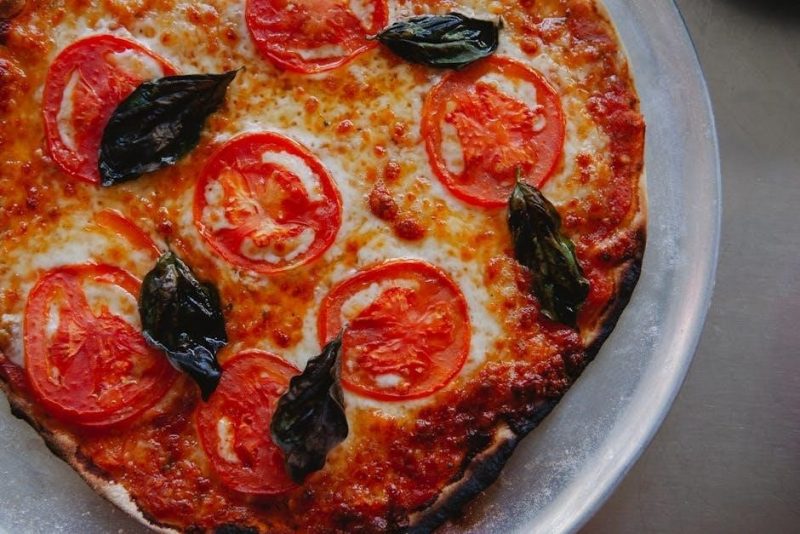
tony’s pizza instructions
Craving Tony's Pizza? Find easy-to-follow instructions & secrets to recreate that amazing taste at home! Get the perfect slice, every time.
Tony’s Pizza Instructions: A Comprehensive Guide
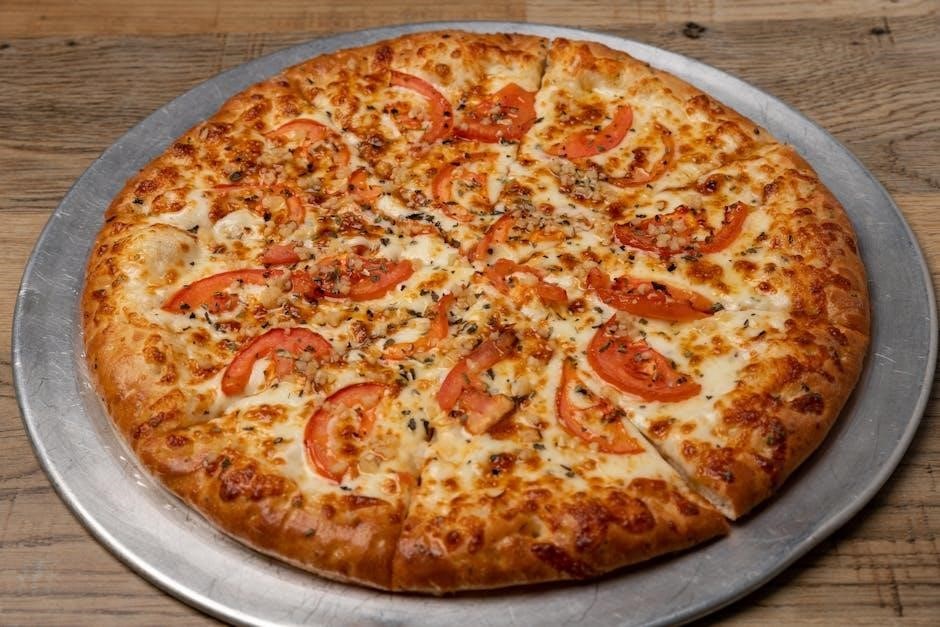
Discover the art of crafting Tony’s perfect pizza! This guide details everything from dough preparation to baking, ensuring a delightful, authentic experience every time.
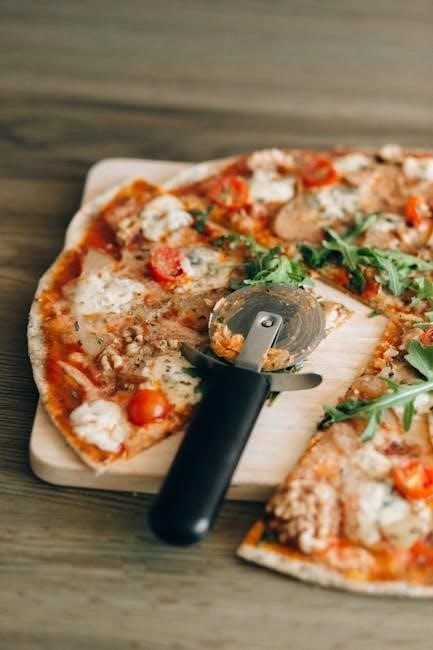
Understanding Tony’s Pizza Styles
Tony’s pizza isn’t just one recipe; it’s a spectrum of flavors and techniques! Different dough formulas and preparation methods define each unique style. From classic Neapolitan with its soft, charred crust to crispy New York slices, Tony’s embraces variety. Consider the Lost Pizza Co.’s funky, laid-back approach – a testament to relaxed pizza enjoyment.
Exploring eight distinct styles allows for personalized preferences, catering to every crust desire. Whether you prefer a thin, foldable crust or a thicker, chewier base, Tony’s provides the foundation. Understanding these nuances is key to replicating authentic results, ensuring your homemade pizza mirrors the quality and taste you love. Each style demands specific attention to detail.
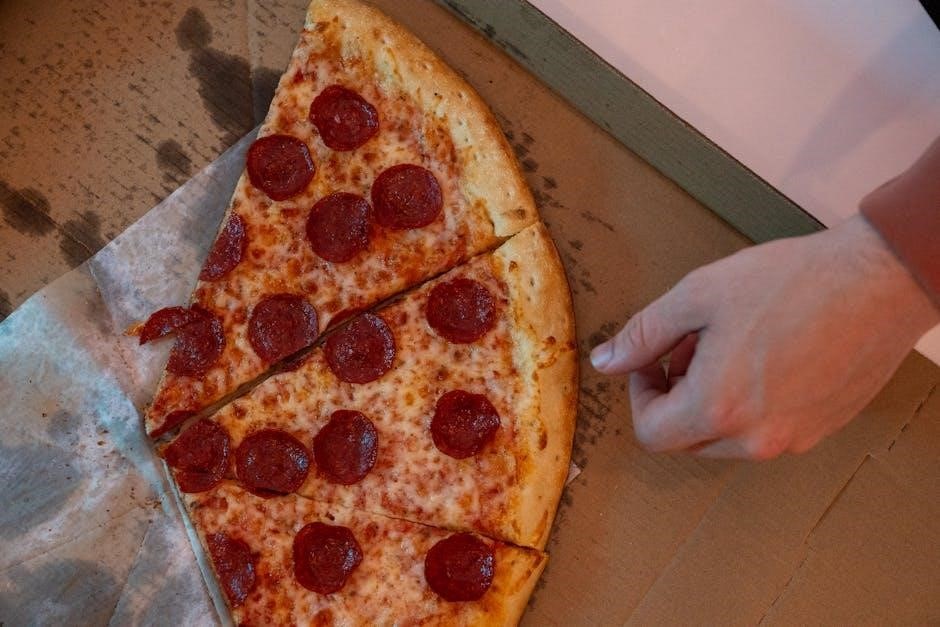
Dough Preparation: The Foundation of Tony’s Pizza
Dough is paramount – the very soul of Tony’s pizza! Aficionados will appreciate the six dough recipes available, each tailored to specific crust preferences. Begin with quality ingredients and precise measurements. Rolling and shaping the dough correctly is crucial; ensure even thickness for consistent baking. Pre-baking the crust, a vital step, prevents a soggy bottom, guaranteeing a satisfying crunch.
Remember, different styles demand different techniques. Whether you’re aiming for a Neapolitan softness or a New York crispness, mastering the dough is essential. Proper kneading develops gluten, creating structure and chewiness. Allow sufficient time for proofing, enabling the dough to rise and develop flavor. A well-prepared dough is the cornerstone of a truly exceptional pizza.
Ingredient Selection for Authentic Tony’s Flavor
Authenticity begins with superior ingredients! Tony’s pizza demands quality – from the mozzarella to the salami. Prioritize fresh, flavorful tomatoes for your sauce, exploring various recipes and variations to find your perfect blend. When selecting toppings, like salami, mushrooms, olives, and anchovies, choose premium cuts and varieties. The quality directly impacts the final taste.
Don’t underestimate the importance of mozzarella; different types offer unique textures and flavors. Consider the impact each ingredient has on the overall profile. A harmonious balance of flavors is key. Remember, even seemingly small details, like the freshness of herbs, contribute to an exceptional pizza experience. Invest in quality – you’ll taste the difference!
Mozzarella Cheese: Types and Usage
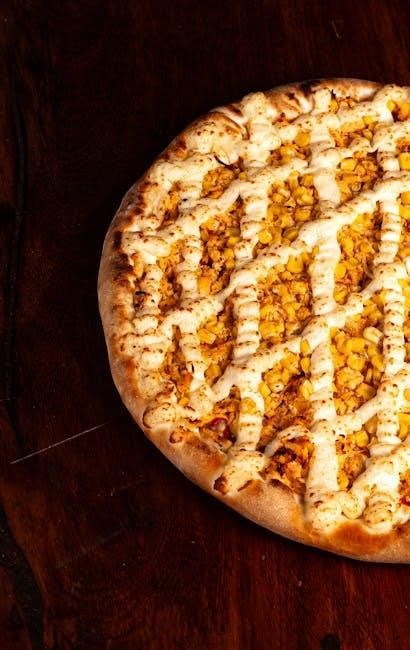
Mozzarella is pivotal to Tony’s pizza! Fresh mozzarella, with its high moisture content, delivers a creamy texture, ideal for a Neapolitan style. Low-moisture, part-skim mozzarella melts beautifully and browns well, perfect for classic American pizzas. Buffalo mozzarella, though pricier, offers an unparalleled richness and delicate flavor.
For optimal results, shred your own mozzarella – pre-shredded often contains cellulose, hindering melt. Distribute the cheese evenly, avoiding clumps. Consider layering: a base of low-moisture for structure, topped with fresh mozzarella for a luxurious finish. Baking at 220°C (428°F) for 20-25 minutes will achieve a golden, bubbly perfection. Experiment to discover your preferred mozzarella blend!
Tomato Sauce: Recipes and Variations
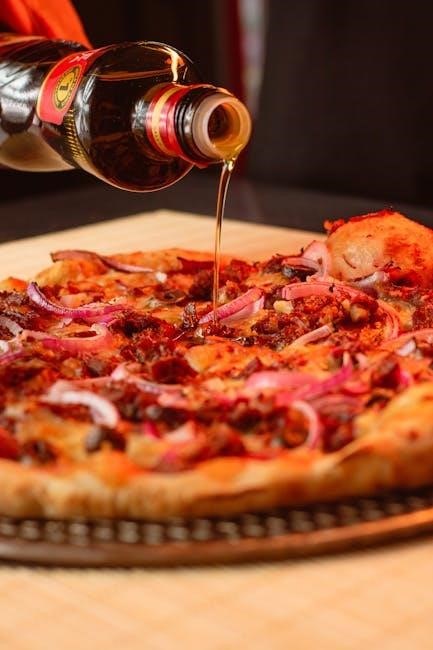
Tony’s pizza hinges on a vibrant tomato sauce! A simple, classic recipe starts with crushed San Marzano tomatoes, known for their sweetness and low acidity. Sauté garlic in olive oil, then add the tomatoes, a pinch of oregano, basil, salt, and pepper. Simmer for at least 30 minutes to develop flavors.
Variations abound! For a spicier kick, add red pepper flakes. A touch of sugar balances acidity. Some prefer a smoother sauce, achieved by blending. Experiment with roasted garlic for a deeper flavor profile. Avoid over-saucing; a thin, even layer prevents a soggy crust. Remember, quality tomatoes are key – they form the foundation of Tony’s authentic taste!
Salami and Other Toppings: Quality Matters
Tony’s pizza demands premium toppings! When selecting salami, opt for a dry-cured variety – Genoa or Sopressata – for intense flavor and satisfying texture. Avoid pre-sliced, overly processed options. Fresh mozzarella, as opposed to pre-shredded, melts beautifully and offers superior taste.
Beyond salami, consider high-quality mushrooms, olives, and anchovies. Fresh herbs, like basil and oregano, added after baking, provide a vibrant finish. Don’t overload the pizza; a balanced distribution of toppings ensures even cooking and prevents a soggy base. Remember, each ingredient contributes to the overall experience – prioritize quality for an authentic Tony’s flavor!
Preheating Your Oven: Achieving the Perfect Bake
Achieving a consistently crisp crust begins with proper oven preheating. Aim for temperatures between 400°F and 500°F (204°C ⸺ 260°C), depending on your pizza style and oven capabilities. Allow at least 30-60 minutes for the oven to fully reach the desired temperature. This ensures even heat distribution throughout the baking chamber.
For optimal results, especially when using a pizza stone or steel, place it in the oven during preheating. This allows the stone to absorb and retain heat, creating a superior crust. Insufficient preheating leads to uneven cooking and a potentially soggy bottom. Patience is key – a thoroughly preheated oven is fundamental to Tony’s pizza perfection!
Baking with a Pizza Stone: Enhanced Crust Crispness
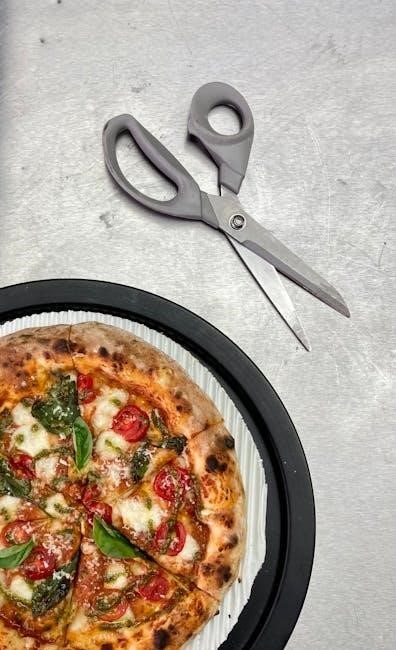
Utilizing a pizza stone dramatically improves crust texture, delivering a professional, pizzeria-quality result. The stone’s porous nature rapidly absorbs moisture from the dough, promoting exceptional crispness. Preheat the stone inside the oven for a minimum of 30-60 minutes at the highest possible temperature – ideally 500°F (260°C).
Carefully transfer the prepared pizza onto the preheated stone using a pizza peel. Avoid overcrowding the stone; bake pizzas individually for best results. The stone retains heat, ensuring a consistently hot surface for even cooking. Remember to let the stone cool completely before cleaning to prevent cracking. A pizza stone is a cornerstone of authentic Tony’s pizza baking!
Baking with a Pizza Peel: Safe and Efficient Transfer
A pizza peel is essential for safely maneuvering your Tony’s pizza into and out of a hot oven, especially when using a pizza stone. Lightly dust the peel with flour or cornmeal to prevent sticking – this allows for a smooth transfer. Gently slide the assembled pizza from the peel onto the preheated stone with a quick, confident motion.
Wooden peels are ideal for assembling the pizza, while metal peels excel at retrieving the baked pizza. Practice the sliding motion without a pizza first to master the technique. Always ensure a clean, dry peel surface. Proper peel usage minimizes mess and prevents burns, making the baking process efficient and enjoyable!
Baking Instructions: Frozen Tony’s Pizza
For a convenient meal, Tony’s frozen pizzas offer consistent quality. Begin by preheating your oven to 425°F (220°C). Remove the pizza from its box and inner wrapper. Place the frozen pizza directly onto a preheated cookie sheet or, for a crispier crust, directly on the center oven rack.
Bake for 12 to 14 minutes, or until the cheese is melted and bubbly and the crust is golden brown. Some instructions suggest 26-28 minutes at 400°F, depending on the specific product. Always check for doneness, ensuring the internal temperature reaches a safe level. Let cool slightly before slicing and serving – enjoy!
Temperature and Time Guidelines (400°F ― 425°F)
Optimal baking temperatures for Tony’s pizza generally range between 400°F (204°C) and 425°F (220°C). At 400°F, expect a longer bake time of approximately 17-19 minutes for frozen pizzas placed directly on the oven rack. Increasing the temperature to 425°F reduces baking time to around 12-14 minutes, also for frozen pizzas on a sheet pan.
For fresh pizzas, preheating to 400°F is recommended, with baking times varying based on crust thickness and toppings. Some sources suggest 20-25 minutes at 220°C (428°F) for mozzarella-based pizzas. Always monitor closely and adjust times based on visual cues – a golden-brown crust and bubbly cheese indicate readiness.
Sheet Pan vs. Direct Rack Baking
Choosing between a sheet pan and direct rack baking significantly impacts Tony’s pizza’s crust. Using a sheet pan provides a softer, more evenly cooked base, ideal for those preferring a less crispy texture. It also simplifies handling and prevents potential messes from toppings sliding off.
Directly placing the pizza on the oven rack, however, yields a significantly crispier crust due to increased heat circulation. This method requires careful handling with a pizza peel to avoid burns and ensure safe transfer; Preheating the sheet pan or rack is crucial for optimal results, enhancing bottom crust crispness regardless of the chosen method. Consider your desired texture when deciding!
Baking Instructions: Freshly Made Tony’s Pizza
Creating Tony’s pizza from scratch demands attention to detail. Begin by gently rolling or shaping your prepared dough to the desired thickness and size. For a superior crust, consider pre-baking it for a few minutes – this prevents a soggy bottom, especially with wetter toppings.
Once topped, preheat your oven to a high temperature, ideally around 400-500°F (200-260°C). A preheated pizza stone or baking steel is highly recommended for optimal heat retention and a crispy crust. Carefully transfer the assembled pizza to the hot surface using a pizza peel. Monitor closely, as baking times vary based on dough thickness and oven performance.
Dough Rolling and Shaping Techniques
Mastering dough handling is crucial for Tony’s pizza success. Start with a lightly floured surface to prevent sticking. Gently stretch the dough, using your fingertips to press outwards from the center, leaving a slightly thicker edge for the crust. Avoid using a rolling pin, as it can compress the dough and result in a dense texture.
For a rustic, irregular shape, hand-stretch the dough, allowing gravity to assist. Alternatively, for a more uniform circle, carefully rotate the dough while stretching. If the dough resists stretching, let it rest for 5-10 minutes to relax the gluten. Practice makes perfect – don’t be afraid to experiment!
Pre-Baking the Crust: Preventing Soggy Bottoms
Eliminate soggy crusts with a simple pre-baking step! After shaping your Tony’s pizza dough, lightly dock it with a fork to prevent excessive bubbling. Then, bake the crust on a pizza stone or baking sheet at 400°F (200°C) for 8-10 minutes. This partially cooks the base, creating a sturdy foundation that resists moisture from the sauce and toppings.
Ensure the crust is set but not browned. Remove from the oven, add your desired sauce, cheese, and toppings, and return to the oven for the final bake. Pre-baking is especially beneficial for pizzas with wetter toppings like fresh tomatoes or mushrooms, guaranteeing a delightfully crisp crust every time.
Cooking Time Adjustments: Based on Pizza Thickness
Achieving pizza perfection hinges on adjusting baking time to crust thickness. For thin-crust Tony’s pizzas, a baking time of 12-14 minutes at 425°F (220°C) is generally sufficient. However, thicker crusts require extended baking – typically 17-19 minutes at 400°F (200°C) – to ensure the center is fully cooked.
Monitor closely; a longer bake prevents a soggy center. If using a pizza stone, slightly reduce the time as it retains heat efficiently. Always check for a golden-brown crust and melted, bubbly cheese. Remember, oven variations exist, so these times are guidelines. Adjust based on your oven’s performance and desired level of crispness.
Checking for Doneness: Visual Cues and Internal Temperature
Determining when Tony’s pizza is perfectly baked involves observing key visual cues. The crust should be golden brown and slightly crisp, exhibiting a beautiful rise. Cheese should be fully melted, bubbly, and potentially browned in spots – a sign of deliciousness! Toppings should appear cooked through and slightly caramelized.
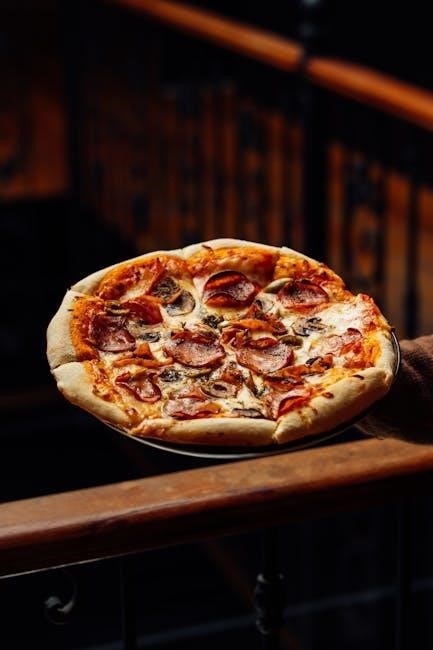
For precise results, use a food thermometer. The internal temperature should reach 165°F (74°C) to ensure food safety. Insert the thermometer into the center of the pizza. If the crust is browned but the center isn’t hot enough, lower the oven temperature slightly and continue baking, checking frequently.
Post-Baking: Cooling, Slicing, and Serving
Once Tony’s pizza emerges from the oven, resist the immediate urge to dive in! Allow it to cool for at least 5-10 minutes on a wire rack. This prevents a soggy crust and allows the cheese to set slightly, making slicing easier. A crucial step for optimal enjoyment!
Use a pizza cutter or a large, sharp knife to slice into desired portions. Rocking the cutter back and forth provides clean cuts. Serve immediately for the best flavor and texture. Consider offering complementary sides like a fresh salad or a simple dipping sauce. Enjoy the fruits of your baking labor!
Troubleshooting Common Baking Issues
Encountering problems with Tony’s pizza bake? Uneven cooking often stems from inconsistent oven temperatures or improper rack placement. Rotate the pizza halfway through baking. A soggy crust indicates insufficient heat or excessive moisture. Pre-baking the crust, as detailed earlier, is a preventative measure.
If the toppings are burning before the crust is cooked, lower the oven temperature slightly or shield the toppings with foil. Conversely, if the crust is browning too quickly, increase the baking time or reduce the temperature. Remember, ovens vary, so adjustments are often necessary. Don’t be afraid to experiment!
Unevenly Cooked Pizza
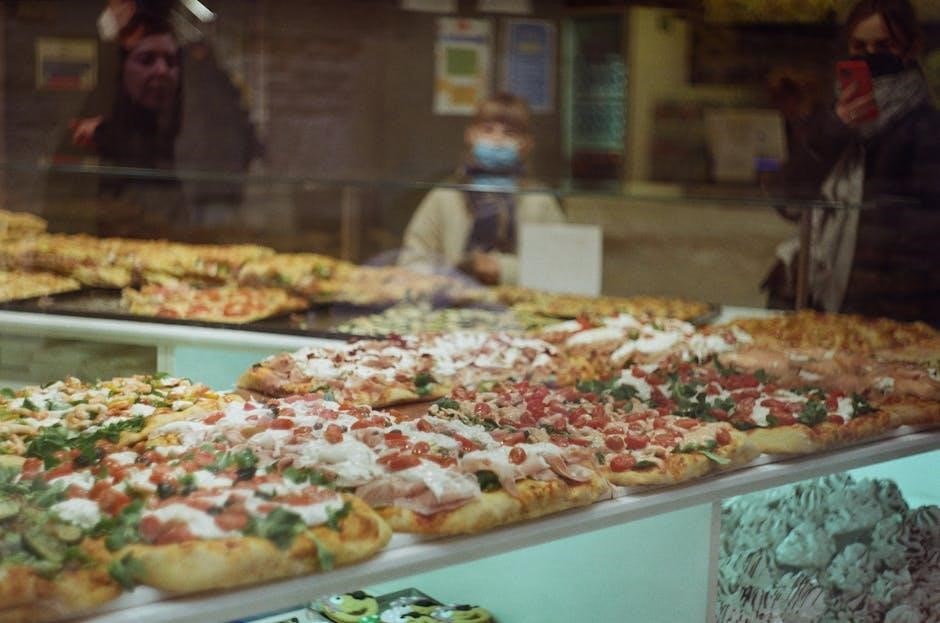
Addressing an unevenly cooked Tony’s pizza requires pinpointing the cause. Often, it’s due to inconsistent heat distribution within your oven. Ensure your oven is properly calibrated and preheated to the correct temperature – typically between 400°F and 425°F. Rotating the pizza halfway through the baking process is crucial for even exposure to heat.
If one side consistently cooks faster, consider rotating the baking sheet or pizza stone itself. Also, avoid overcrowding the oven with other dishes, as this can impede airflow. Check that the pizza is placed directly in the center of the rack for optimal heat circulation. Consistent monitoring is key to a perfectly baked pizza!
Soggy Crust Solutions
Combating a soggy pizza crust demands a multi-pronged approach. Pre-baking the crust for a few minutes before adding toppings is a fantastic preventative measure, creating a sturdy base. Ensure your ingredients aren’t overly wet; drain excess moisture from vegetables like mushrooms or tomatoes. Using a pizza stone or baking steel significantly improves crust crispness by providing direct heat.
Avoid placing the pizza directly on a baking sheet, as this traps steam. Instead, use parchment paper or a pizza peel dusted with cornmeal for easy transfer. Higher oven temperatures (425°F or even 500°F) also help to quickly cook the crust before the toppings release too much liquid. Proper ventilation within the oven is also essential!

Gear Recommendations: Essential Tools for Tony’s Pizza
Elevate your pizza-making with the right tools! A pizza stone or baking steel is paramount for achieving a crispy crust, retaining heat for even cooking. A pizza peel – wooden or metal – facilitates safe and efficient transfer of the pizza to and from the oven. Consider a pizza cutter with a comfortable grip for clean slices.
High-quality baking sheets are useful for frozen pizza or pre-baking crusts. A kitchen scale ensures accurate ingredient measurements, crucial for consistent dough. Dough scrapers simplify handling and dividing dough. Finally, invest in oven mitts to protect your hands from intense heat. These tools will transform your pizza experience!
Safety Precautions When Handling Hot Pizza
Prioritize safety when working with high oven temperatures and hot pizza! Always use oven mitts or heat-resistant gloves when handling the pizza stone, peel, or the pizza itself. Be mindful of steam released when opening the oven – stand to the side. Ensure a clear workspace, free from obstructions, to prevent accidental burns.
Exercise caution when transferring the pizza with a peel; a quick, confident motion is key. Allow the pizza to cool slightly on a cutting board before slicing. Supervise children closely in the kitchen during baking. Remember, a delicious pizza isn’t worth a painful burn! Handle with care and enjoy responsibly.