

water well pump manual
Need a water well pump manual? We've got a huge collection of manuals for all brands & models! Download instantly & get your pump working smoothly. **Water well pump manual** access made easy!
Water Well Pump Manual: A Comprehensive Guide
This manual details essential aspects of well pump systems‚ covering troubleshooting‚ installation‚ and maintenance for both shallow and deep well configurations.
Understanding Your Well Pump System
A well pump system provides potable water‚ relying on key components working in harmony. These systems draw water from underground aquifers‚ utilizing either shallow or deep well pumps based on water table depth. Understanding the interplay between the pump‚ pressure tank‚ pressure switch‚ and check valve is crucial for effective operation and troubleshooting.
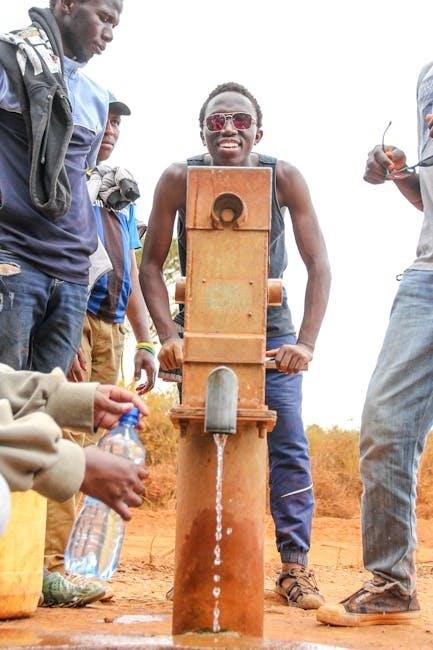
Proper pump sizing and motor rating are vital for efficiency and longevity. Regular inspections and maintenance‚ including cleaning the well casing‚ prevent issues. Knowing your pump type – jet or submersible – aids in diagnosis and repair. Accessing local well reports provides valuable information about your water level and system characteristics.

Types of Well Pumps
Well pumps are broadly categorized into shallow and deep well varieties‚ each suited to specific water table depths. Shallow well pumps‚ ideal for depths up to 25 feet‚ are generally easier to install and maintain‚ often utilizing jet pump technology. Deep well pumps‚ conversely‚ are designed for greater depths‚ frequently employing a submersible design for efficient water extraction.
Jet pumps operate above ground‚ drawing water via suction‚ while submersible pumps are immersed directly in the well. Selecting the correct pump type is paramount for optimal performance and system longevity‚ considering factors like well depth and water demand.
Shallow Well Pumps
Shallow well pumps are designed for wells reaching depths of approximately 25 feet or less. These pumps are typically easier to install and service compared to their deep well counterparts; Jet pumps represent a common type‚ positioned above ground and utilizing suction to draw water upwards.
They are a cost-effective solution for homes with accessible water tables. However‚ shallow well pumps may be more susceptible to issues like cavitation if the water level drops significantly. Regular inspection and maintenance are crucial for ensuring consistent performance and preventing potential problems.
Deep Well Pumps
Deep well pumps are engineered for extracting water from depths exceeding 25 feet‚ often utilizing a submersible pump design. These pumps are submerged directly within the well casing‚ pushing water upwards rather than relying on suction. This configuration minimizes cavitation risks and provides consistent performance even with fluctuating water levels.
While generally more durable‚ deep well pump installations require specialized equipment and expertise. Regular monitoring of pump performance and well water levels is essential for preventative maintenance and identifying potential issues before they escalate.
Key Components of a Well Pump System
A functional well pump system relies on several interconnected components working in harmony. These include the well pump motor‚ responsible for powering the pump itself‚ and the pressure tank‚ which stores water and maintains consistent pressure throughout the plumbing system.
The pressure switch automatically controls the pump’s operation based on water pressure‚ while a check valve prevents backflow‚ ensuring water remains in the pipes. Understanding each component’s role is crucial for effective troubleshooting and maintaining a reliable water supply.
The Well Pump Motor
The well pump motor is the powerhouse of the system‚ converting electrical energy into mechanical force to drive the pump. Proper motor rating is essential‚ matching the pump’s requirements for efficient operation and longevity. Motors can vary in horsepower and voltage‚ depending on well depth and water demand.
Regular inspection for signs of overheating or unusual noises is vital. A failing motor can lead to complete pump failure‚ so prompt attention to any issues is crucial. Correct installation quality significantly impacts motor lifespan and performance.
Pressure Tank Functionality
The pressure tank maintains water pressure within the system‚ reducing pump cycling and providing a consistent water supply. It stores water under pressure‚ releasing it as needed when a faucet is opened or an appliance demands it. A ruptured tank bladder can cause rapid pump cycling‚ indicating a malfunction.
Proper tank sizing is crucial for optimal performance. The tank’s pre-charge pressure should be adjusted according to the manufacturer’s recommendations. Regular inspection ensures the tank isn’t compromised‚ preventing issues with the pressure switch.
Pressure Switch Operation
The pressure switch controls the pump’s on/off cycles based on water pressure within the tank. When pressure drops‚ the switch activates the pump; when it reaches a set upper limit‚ the pump shuts off. A faulty switch can cause the pump to run constantly or not at all‚ impacting water availability.

Inspecting the switch’s contacts for corrosion and ensuring proper adjustment are vital maintenance steps. If the tank sends a faulty reading‚ the pressure switch may misinterpret the pressure levels‚ leading to operational problems.
Check Valve Importance
The check valve is a crucial component preventing water from flowing back down the well when the pump shuts off. This maintains prime within the system‚ reducing strain on the pump motor and ensuring quicker start-ups. Without a functioning check valve‚ the pump may struggle to draw water‚ leading to low pressure or complete failure.
Regular inspection is key; a failing check valve can cause pump cycling and reduced efficiency. Marking the valve’s orientation during removal aids correct reinstallation‚ preventing reversed flow.
Troubleshooting Common Well Pump Problems
Diagnosing well pump issues requires a systematic approach. Common problems include low water pressure‚ rapid pump cycling (on/off)‚ and complete pump failure. Low pressure can stem from a failing pressure tank‚ a clogged filter‚ or leaks in the system. Rapid cycling often indicates a problem with the pressure switch or a ruptured tank bladder.
If the pump doesn’t turn on‚ check the electrical supply and the pressure switch. Addressing these issues promptly prevents further damage and ensures a reliable water supply.
Low Water Pressure Issues
Reduced water pressure often signals a problem within the well pump system. Initial checks should focus on identifying leaks in pipes or fittings‚ as these directly impact pressure. A failing pressure tank is a frequent culprit‚ unable to maintain adequate pressure. Clogged filters or foot valves restrict water flow‚ diminishing pressure at the tap.
Furthermore‚ a worn pump impeller reduces pumping efficiency. Inspecting these components and addressing any issues will restore optimal water pressure throughout your home’s plumbing.
Pump Cycling On and Off Rapidly
Rapid pump cycling‚ where the pump frequently starts and stops‚ indicates an issue with pressure regulation. A common cause is a ruptured bladder within the pressure tank‚ preventing proper air-water volume maintenance. This sends false signals to the pressure switch. Low water levels in the well itself can also trigger this behavior‚ as the pump struggles to maintain pressure.
Inspect the pressure switch settings and the tank’s bladder for damage. Addressing these issues will stabilize pump operation and prevent premature wear.
Pump Not Turning On At All
If the well pump fails to operate‚ begin by checking the electrical supply. Verify the circuit breaker hasn’t tripped and that the pump’s wiring is secure. A faulty pressure switch‚ unable to signal the pump to activate‚ is another potential culprit. Inspect the switch for corrosion or damage.
A burned-out pump motor is a more serious concern‚ requiring professional diagnosis. Before assuming motor failure‚ confirm power reaches the pump itself using a multimeter.
Diagnosing Pump Failures
Accurate diagnosis is crucial before attempting repairs. Start by systematically testing key components. Begin with the pump motor‚ ensuring it receives power; a lack of voltage indicates an electrical issue. Next‚ inspect the pressure switch for proper operation‚ verifying it cycles as expected.
Don’t overlook the check valve; a malfunctioning valve can prevent water flow. Thoroughly assess each element to pinpoint the root cause of the failure‚ avoiding unnecessary component replacement.
Testing the Pump Motor
Begin by disconnecting power to the pump at the breaker. Use a multimeter to check for voltage at the motor terminals‚ confirming power delivery. If voltage is present‚ but the motor doesn’t run‚ it’s likely a motor issue. A simple test involves carefully attempting to turn the motor shaft; resistance suggests a seized motor.
Listen for unusual noises during operation‚ like humming or grinding‚ which indicate internal damage. If the motor fails these tests‚ replacement is usually the most cost-effective solution.

Inspecting the Pressure Switch
The pressure switch controls pump activation based on tank pressure. Begin by visually inspecting the switch for corrosion or damage. Use a multimeter to test continuity across the switch contacts when the pressure is at both cut-in and cut-out levels. A faulty switch may send incorrect signals‚ causing rapid cycling or pump failure to start.
Adjusting the pressure settings can resolve minor issues‚ but replacement is often necessary if the switch is defective. Ensure proper grounding and secure wiring connections during inspection.
Checking the Check Valve
The check valve prevents water backflow into the well. Inspect for debris or mineral buildup that restricts water flow. A failing check valve causes the pump to work harder and can lead to water hammer or reduced pressure. To test‚ isolate the valve and observe if water flows backward when the pump is off.
Replacement is often straightforward‚ but ensure the new valve is compatible with your system. Proper check valve function is crucial for maintaining consistent water pressure and protecting the pump.
Well Pump Installation Considerations
Proper installation is vital for longevity and efficiency. Correct motor rating‚ matched to well depth and water demand‚ prevents overheating and failure. Proper pump sizing ensures adequate water flow without straining the system. Importance of professional installation cannot be overstated; experts ensure compliance with local codes and safe electrical connections.
Consider future water needs when selecting a pump. Incorrect installation voids warranties and can lead to costly repairs. Prioritize quality components and adherence to manufacturer guidelines for optimal performance.
Proper Pump Sizing
Accurate pump sizing is crucial for consistent water supply and system efficiency. Consider peak water demand – the maximum amount used simultaneously. Factors include household size‚ fixture count‚ and irrigation needs. Undersized pumps struggle to meet demand‚ causing pressure drops and frequent cycling.
Oversized pumps waste energy and can damage the pressure tank. Calculate total dynamic head (TDH)‚ accounting for well depth‚ friction loss in pipes‚ and elevation changes. Consult pump performance curves to select a model delivering the required flow rate at the calculated TDH.
Correct Motor Rating
Selecting the appropriate motor rating is vital for pump longevity and reliable operation. The motor’s horsepower (HP) must match the pump’s requirements‚ considering the total dynamic head (TDH) and desired flow rate. An underpowered motor will overheat and fail prematurely‚ while an overpowered motor is inefficient and costly.
Voltage compatibility is also critical; ensure the motor’s voltage matches the available power supply. Consider single-phase or three-phase power options based on your electrical system. Proper motor sizing prevents strain‚ extends pump life‚ and optimizes energy consumption.
Importance of Professional Installation
While DIY installation might seem appealing‚ professional well pump installation is highly recommended. Qualified technicians possess the expertise to accurately assess well conditions‚ select the correct pump size‚ and ensure proper wiring and plumbing connections. Incorrect installation can lead to pump failure‚ water contamination‚ or even electrical hazards.
Professionals adhere to local codes and regulations‚ guaranteeing a safe and compliant system. They also perform thorough testing to verify optimal performance and identify potential issues before they escalate. Investing in professional installation safeguards your water supply and provides peace of mind.
Well Pump Maintenance
Regular well pump maintenance is crucial for ensuring a consistent and safe water supply. Implement a schedule of system inspections‚ checking for leaks‚ unusual noises‚ and pressure fluctuations. Pressure tank maintenance involves verifying proper air charge and inspecting for corrosion. Periodically cleaning the well casing helps prevent sediment buildup and maintains water quality.
Addressing minor issues promptly can prevent costly repairs or pump failure. Remember that a well-maintained system operates more efficiently‚ saving energy and extending the pump’s lifespan. Consistent upkeep is a worthwhile investment in your home’s water infrastructure.
Regular System Inspections
Consistent inspections are the cornerstone of preventative well pump maintenance. Visually examine all components – the pump‚ pressure tank‚ pipes‚ and wiring – for any signs of corrosion‚ leaks‚ or damage. Listen for unusual noises during pump operation‚ which could indicate a developing problem. Check the pressure gauge regularly to ensure it’s within the recommended range.

Document inspection findings and address any concerns promptly. Early detection of issues can prevent minor problems from escalating into major‚ costly repairs. A proactive approach extends the system’s lifespan and ensures reliable water access.
Pressure Tank Maintenance
The pressure tank is vital for consistent water pressure and reducing pump cycling. Regularly check the air pressure within the tank; it should match the pump’s cut-in pressure. A ruptured bladder is a common issue‚ causing rapid pump cycling‚ so inspect for water leakage around the tank.
Periodically drain sediment from the bottom of the tank to maintain optimal performance. If the tank shows signs of corrosion or significant damage‚ replacement is recommended. Proper tank maintenance extends pump life and ensures a stable water supply.
Cleaning the Well Casing
Maintaining a clean well casing prevents contamination and ensures water quality. Periodically inspect the casing for cracks or damage‚ and seal any openings to prevent surface water intrusion. When working near the casing‚ use plastic sheeting to avoid introducing contaminants into the well.
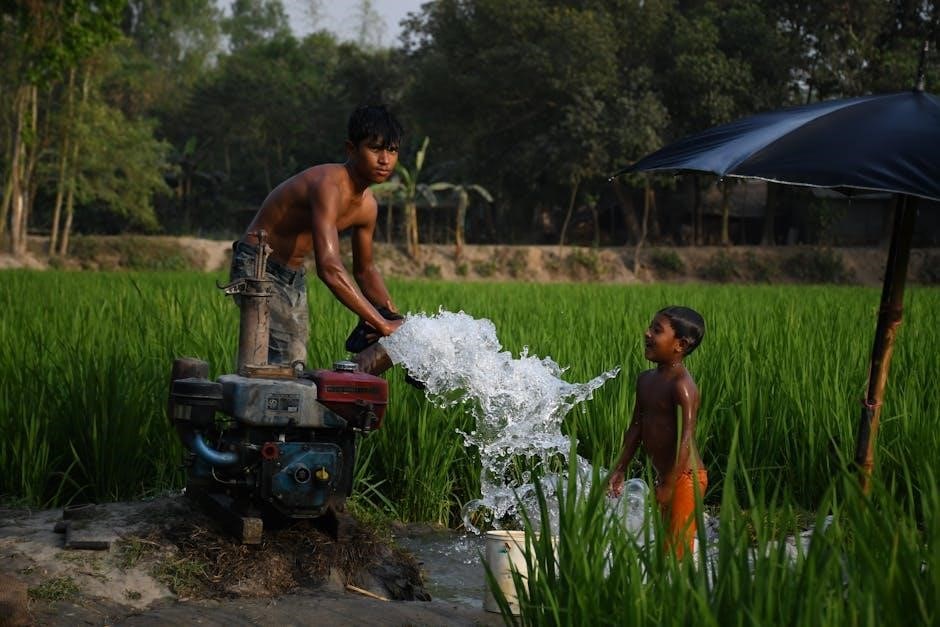
Avoid using harsh chemicals for cleaning; a mild disinfectant solution is preferable. Regularly monitor water quality after any cleaning or maintenance to confirm it remains safe for consumption. A clean casing is crucial for a healthy and reliable water source.
Safety Precautions When Working with Well Pumps
Prioritize safety when servicing your well pump system. Always disconnect electrical power before performing any maintenance to avoid electric shock. Be mindful of potential water contamination; use clean tools and materials. When handling heavy pump components‚ employ proper lifting techniques or seek assistance to prevent injuries.
Ensure the work area is well-ventilated‚ and wear appropriate personal protective equipment‚ including gloves and eye protection. Never attempt repairs beyond your skill level; consult a qualified professional when needed.
Electrical Safety
Well pumps operate on electricity‚ demanding strict adherence to safety protocols. Before any inspection or repair‚ always disconnect the power supply at the breaker box. Verify the power is off using a non-contact voltage tester. Never work with electrical components in wet conditions; ensure the area is dry.
Inspect wiring for damage before reconnecting power. If you’re uncomfortable with electrical work‚ immediately contact a licensed electrician. Improper wiring can lead to shocks‚ fires‚ or pump damage. Ground Fault Circuit Interrupters (GFCIs) are crucial for well pump circuits.
Water Contamination Prevention
Protecting your well water from contamination is paramount. When working near the well casing‚ avoid introducing pollutants like oil‚ gasoline‚ or cleaning agents. Use plastic sheeting to cover the work area and prevent debris from falling into the well. Always disinfect any tools or equipment that come into contact with the water system.
Regularly inspect the well cap for cracks or damage‚ ensuring a tight seal. Consider professional water testing to verify purity‚ especially after repairs. Proper well maintenance and careful work practices safeguard your water supply.
Handling Heavy Equipment
Well pumps and associated components are often incredibly heavy‚ demanding careful handling to prevent injury. Always utilize appropriate lifting techniques – bend your knees‚ keep your back straight‚ and lift with your legs. Employ mechanical aids like dollies‚ hand trucks‚ or engine hoists whenever possible to reduce strain.
Ensure the lifting area is clear of obstructions and that you have a secure grip. Never attempt to lift more than you can comfortably manage. Seek assistance from others when dealing with particularly bulky or weighty items‚ prioritizing safety above all else.

Identifying Your Well Pump Type
Correctly identifying your well pump is crucial for effective maintenance and repair. Two primary types exist: jet pumps and submersible pumps. Jet pumps operate above ground‚ utilizing suction to draw water upwards – often identifiable by their location in a well house or basement.
Submersible pumps‚ conversely‚ are designed for deep wells and are fully submerged in the water. Recognizing these distinctions allows for targeted troubleshooting and ensures you select the appropriate replacement parts. Consider the pump’s location and operational characteristics to determine its type.
Jet Pumps – Above Ground Operation
Jet pumps are installed above ground‚ making them accessible for easier maintenance and repairs. They utilize atmospheric pressure and a jet nozzle to create suction‚ drawing water from shallower wells – typically up to 25 feet deep.

These pumps often feature a hydrant on top for orientation marking during servicing. While convenient‚ their above-ground location exposes them to potential freezing and requires priming after power outages. Regular inspection of the pump housing and connections is vital for optimal performance and longevity.
Submersible Pumps – Deep Well Application
Submersible pumps are designed for deep wells‚ fully immersed in the water they pump. This eliminates the need for priming and protects the motor from overheating. They are typically used when the water level exceeds 25 feet‚ offering reliable water extraction from significant depths.
Careful handling during installation and removal is crucial‚ often requiring multiple people. Marking the pitiless valve’s direction aids reinstallation. Protecting the pump and piping from contamination during servicing is also essential for maintaining water quality and pump efficiency.
Resources for Well Pump Information
Accessing reliable information is vital for well pump maintenance and troubleshooting. Local well reports‚ like those available in Alberta‚ provide valuable data on water levels and well characteristics‚ aiding in diagnosis. Online troubleshooting guides offer step-by-step assistance for common issues.
Reddit communities‚ such as r/Skookum‚ can connect you with experienced individuals offering practical advice. Remember to verify information from online sources and consult with qualified professionals when dealing with complex problems or electrical components.
Accessing Local Well Reports
Local well reports are invaluable resources for understanding your well’s specific characteristics. These reports often detail the well’s depth‚ static water level‚ and geological information‚ providing a baseline for troubleshooting. Alberta‚ for example‚ makes its well reports publicly accessible online‚ offering a readily available database.
Consulting these reports can help determine if current water levels align with historical data‚ indicating potential issues; Knowing your well’s depth assists in identifying the appropriate pump type and diagnosing problems related to water flow or pump performance.
Online Troubleshooting Guides
Numerous online resources offer guidance for diagnosing and resolving common well pump issues. Websites like Fresh Water Systems and All State Plumbing Pros provide detailed troubleshooting steps for problems like low water pressure or pump cycling. Reddit’s r/Skookum forum can connect you with experienced individuals offering practical advice.
These guides often cover topics such as pressure switch operation‚ check valve functionality‚ and motor testing. Utilizing these resources can empower homeowners to address minor issues independently‚ potentially saving on service call costs.